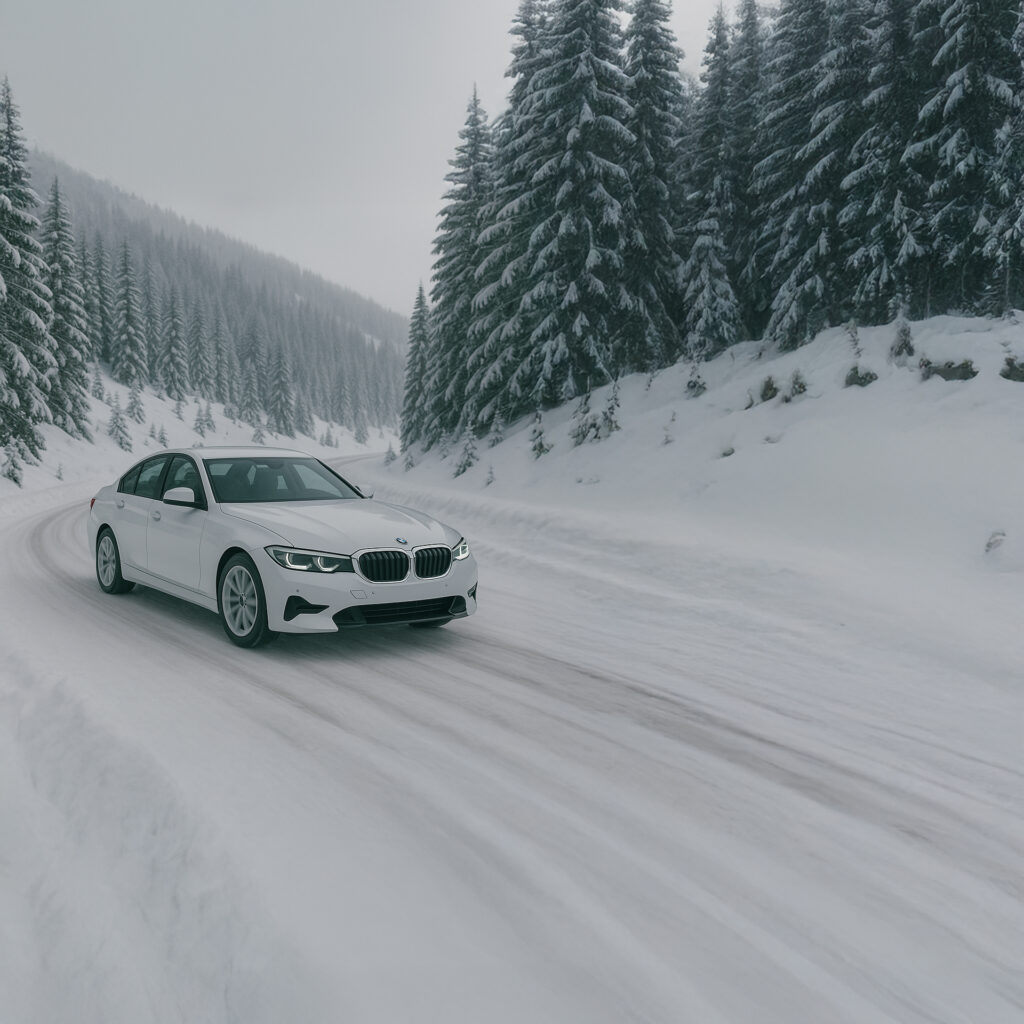


Winter checklist: how to take care of your car during bad weather season
Although winter has not yet technically started, sub-zero temperatures and their consequences have been part of everyday life since mid-November. This period is demanding for your vehicle, especially if you drive a used car or a model that is already several years old. Cold weather, humidity and road salt can damage your vehicle, weaken its mechanics, accelerate corrosion and even cause breakdowns. To avoid unpleasant surprises and extend the life of your car, it is essential to prepare it. Discover our tips for a peaceful winter, specially designed for used vehicles.
The essentials
- Check the battery
Sub-zero temperatures reduce battery performance, and those in older cars, which are already weakened, are particularly affected. The battery of a recent used car certified by a dealer has already been checked before it was put on the road, but an older vehicle may not start due to the cold. So have your battery checked before the temperatures drop, and replace it if it shows signs of weakness. You can also keep jumper cables in your boot if you are concerned about a breakdown during the winter.For older or classic cars that are not driven much in winter, it is even recommended that you disconnect the battery while the car is stored in the garage.
- Check your tyres
Grip is essential in all seasons. The contact surface between your car and the road is equivalent to just four handpalms. This fact becomes even more important when road conditions deteriorate. So make sure your car is fitted with tyres that are suitable for winter and approved by the manufacturer. Then check their wear and pressure before each new season. - Fluids and levels
Make sure that the various fluids your car needs are resistant, starting with antifreeze windscreen washer fluid. Also consider using coolant and engine oil that are suitable for cold weather to protect the engine and get through the winter without any breakdowns. - Brakes and suspension
Humidity, snow and especially salt can accelerate corrosion on various parts. On older cars, carefully inspect the brake discs and pads, as well as the shock absorbers. A simple visual check before winter can prevent damage and costly repairs. That’s why our used vehicles are certified by our team after a rigorous inspection.
Extra points
- Bodywork
Like the parts mentioned above, the bodywork of used vehicles is more exposed to corrosion in winter. To remove salt, wash your car regularly, paying particular attention to the underside. If you wish, you can also have a paint protection coating applied. - Heating and defrosting
Just like air conditioning in summer, heating is essential in your car in winter. Have the heating and window defrosting systems checked if your vehicle is getting older. A loss of efficiency can occur in older vehicles, making your journeys uncomfortable or even dangerous. - Essential accessories
For your own safety, always keep these accessories in your vehicle in case of bad weather:- Ice scraper/scraper or de-icing spray
- Jumper cables
- Safety vest
- Blanket and gloves
- Torch
- First aid kit
Whether it’s just to clear your field of vision before setting off or in the event of an unfortunate incident, they can make all the difference in stressful winter situations.
Paying a closer attention to the state of your car before winter is key to avoiding breakdowns and extending its life. These simple steps and tips will help you drive safely, even in poor conditions. And if your car is showing signs of wear and tear, why not consider replacing it with a more recent, certified used car? Our teams are ready to advise you on trading in your vehicle and purchasing another one that suits your needs.