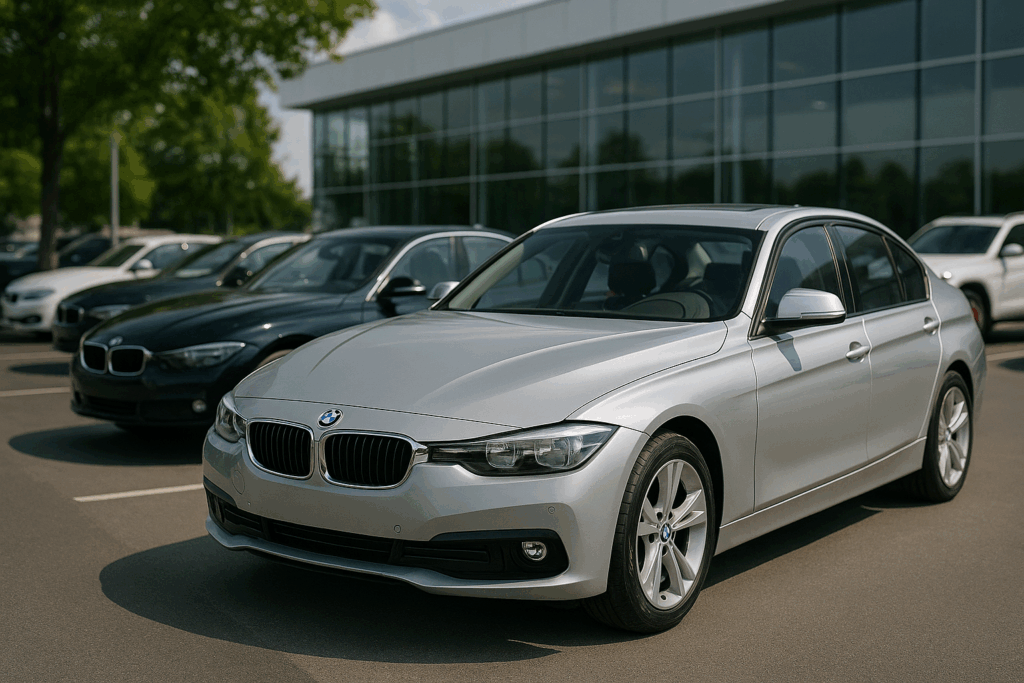


Buying a used car abroad: what you need to know
Buying a used car abroad is a common practice in cross‑border regions such as Belgium, Luxembourg and France. These neighbouring markets offer a wide selection of recent vehicles, often available immediately and sometimes at more attractive prices or with higher specifications.
However, while the purchase may take place abroad, the administrative procedures and costs depend above all on the country where the vehicle will be registered. Taxation, paperwork and environmental regulations can vary significantly. Understanding these differences in advance is essential to avoid unexpected costs.
Why buy a used car abroad?
In a region as interconnected as ours, buying a car across the border can offer several advantages.
First, you benefit from a wider choice. Certain models, engines or options may be more readily available in one country than another. Vehicles are also often available immediately, without long waiting times. In addition, the Belgian and Luxembourg markets are known for their well‑maintained and relatively recent vehicles, often serviced within official networks.
That being said, the purchase price is only part of the equation. Once the vehicle is bought, registration procedures and local taxes in your home country can significantly impact the overall budget.
Common rules for cross‑border purchases
Whatever the country of purchase, some key elements should always be checked beforehand:
- The VAT status of the vehicle, especially for nearly new cars
- A clear service history, including maintenance records and origin
- EU compliance, required for registration without modifications
- Availability of all necessary documents (registration certificate, invoice, certificate of conformity)
It is also important to anticipate practical aspects such as temporary licence plates, provisional insurance and the transport or driving the vehicle back home.
Buying a recent, well‑documented car from a professional generally simplifies these steps.
Buying a car in Belgium and registering it in Luxembourg
This is one of the most common situations. The Belgian market offers a broad selection of recent, well‑equipped vehicles. In most cases, the VAT is already included for used cars. You must then register the vehicle in Luxembourg, for which a Luxembourg technical inspection may be required. You will also need to arrange local insurance and obtain Luxembourg licence plates. Temporary plates may be used to bring the vehicle into the country.
For recent and compliant vehicles, the process is generally straightforward, although it still requires proper coordination of the administrative steps, which a team of professionals can help you with.
Buying a car in Belgium and registering it in France
Buying in Belgium can be attractive for French residents, but it requires careful planning, especially when it comes to taxation. After the purchase, you will need to:
- obtain a tax clearance certificate (quitus fiscal)
- apply for a French registration certificate
- determine whether the vehicle is subject to an environmental tax (malus)
This last point is particularly important. This malus is mainly based on CO₂ emissions and, for newer vehicles, weight. Cars available on the Belgian market are often more powerful or better equipped than the average in France, which can result in higher emissions and therefore higher taxes. However, not all vehicles are affected:
- a car previously registered in France is generally not subject to a new malus
- older vehicles are often exempt or only lightly impacted
On the other hand, a vehicle imported into France for the first time, especially if it is recent, can be subject to a significant tax, sometimes reaching several thousand euros. For this reason, an attractive purchase price should always be evaluated alongside potential registration costs. A prior estimate helps avoid unpleasant surprises.
Buying a car in Luxembourg and registering it in France
Luxembourg is well known for the quality of its vehicle fleet. Cars are typically recent, well maintained and often used for longer journeys, which can reduce wear. Although purchasing is straightforward, the French registration process still applies:
- obtaining a tax clearance certificate (quitus fiscal)
- applying for a registration certificate
- assessing the environmental malus
Luxembourg vehicles often have more powerful engines and higher specifications, which may result in higher CO₂ emissions. As a result, some models may be subject to a substantial malus when registered in France for the first time. Again, there are exceptions:
- if the car has previously been registered in France
- if it is older
- or if its emissions remain within acceptable thresholds
For newer imported vehicles, this cost must be included in the overall budget. Proper anticipation allows you to confirm whether the purchase remains worthwhile.
Buying a car in Luxembourg and registering it in Belgium
This situation is common for Belgian residents working in Luxembourg. While the choice of vehicles is appealing, Belgian taxation must be carefully considered, especially in Wallonia.
The key element is the registration tax, which depends on several factors:
- engine type
- CO₂ emissions
- power output
- region of registration (Wallonia, Flanders or Brussels)
In some cases, the total cost can be significantly higher than initially expected.
Additional steps include:
- registration procedures
- possible technical inspection
- arranging insurance
A precise estimate beforehand is essential to assess the overall cost.
Planning ahead to avoid surprises
When buying a car abroad, preparation is key. A few simple precautions can help avoid complications:
- do not rely solely on the purchase price
- include registration and tax costs from the start
- check that the vehicle complies with local regulations
- anticipate administrative procedures and timelines
Without proper preparation, buyers may face additional costs, delays or difficulties using the vehicle immediately, which is frustrating while the purchase of a new car should be a nice event.
In a cross‑border context, working with a professional can make a significant difference. In Belgium and Luxembourg, our teams are well familiar with the procedures for each country. They can assist you with understanding the required steps based on your country of residence, and estimating the total cost of ownership, including taxes and registration.
In some cases, they can also handle part of, or all, the administrative process on your behalf, saving you time and reducing the risk of errors.
This support makes the entire process smoother and helps you approach a cross‑border purchase with greater confidence.